Manville Locksmiths Service Team
Local locksmith team
Nov 5, 2026 11 min read
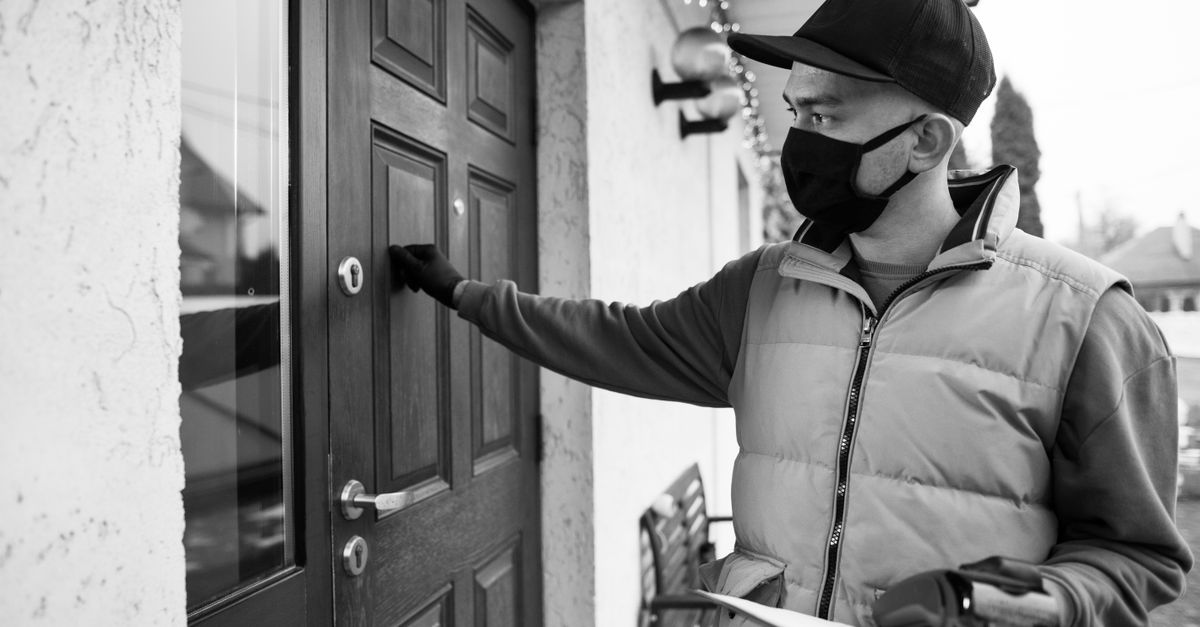
Your front door works perfectly a thousand times in a row — until one day it just doesn't. The knob turns, you push, and nothing catches. Or you close the door behind you, hear no click, and realize the latch never engaged at all. For Manville homeowners, a door that won't latch is more than an annoyance: it's a security gap. The good news is that most causes are identifiable, and many fixes are surprisingly straightforward — if you know what you're looking at.
This guide walks you through the most common reasons a residential door stops latching, from a shifted strike plate to a swollen frame after a wet New Jersey summer, to sagging hinges on an older home near South Main Street. We'll tell you which repairs are realistic weekend DIY projects and which ones are better handed off to an experienced locksmith before the problem turns into a lockout — or worse, a break-in.
## Why Your Door Won't Latch: The Most Common Causes
The latch bolt on your door has to travel a very precise path to seat inside the strike plate opening in the door frame. When anything shifts — the door, the frame, or the hardware itself — that path gets interrupted. The three culprits behind the vast majority of latch failures are a misaligned strike plate, a swollen or warped door frame, and sagging hinges. Understanding which one is affecting your door points you directly toward the right fix.
Misalignment is easy to spot: look at the strike plate (the metal plate mortised into the door jamb) while slowly closing the door. If the latch bolt is hitting the edge of the plate rather than dropping cleanly into the hole, your strike plate and latch bolt are out of sync. Swelling is a seasonal New Jersey problem — humid summers cause wood doors and frames to expand, compressing the latch so it can't extend far enough to catch. Sagging hinges pull the door down and inward, changing the door's geometry entirely. All three can look identical from the outside but require different solutions.
## DIY Fixes vs. When You Need an Emergency Locksmith
Some latch problems genuinely are weekend DIY territory. If a strike plate has drifted only a few millimeters, you can often chisel the mortise slightly deeper, reposition the plate, and re-drive the screws — using longer 3-inch screws that reach the stud behind the jamb for a secure hold. A sticky latch bolt that moves sluggishly can often be freed with a dry graphite lubricant spray; never use oil-based products on lock mechanisms, as they attract grit over time. Tightening loose hinge screws, or replacing them with longer ones, can also correct minor door sag without any specialist tools.
However, if the door frame itself has racked — common in older Manville homes where foundation settling shifts the entire rough opening — a simple strike plate adjustment won't hold. The same is true if a door knob lock is spinning freely, the latch bolt is broken internally, or you're dealing with a mortise lock whose faceplate has shifted inside the door edge. A mortise lock is a precision mechanism housed in a pocket cut into the door itself; getting the geometry right again requires hands-on experience, the right measuring tools, and often replacement parts that aren't available at a hardware store. That's the point where calling a professional emergency locksmith saves you from a bigger repair bill down the road. If the door won't latch and you're already locked out, don't try to force it — call (908) 639-2576 and our team will come to you, any hour of the day or night.
## Strike Plates, Hinges & Frames: A Closer Look at Each Fix
Strike plate issues: Before moving the plate, use lipstick or a dry-erase marker on the latch bolt, close the door gently, and open it — the mark left on the strike plate tells you exactly which direction alignment is off. If the mark is low, the door has dropped; if it's high, the frame has shifted upward relative to the door. A small misalignment (under 1/8 inch) can be solved by elongating the strike plate opening with a metal file or small chisel. Larger misalignment means the plate needs to be repositioned, which requires plugging the old screw holes with wooden toothpicks and wood glue before re-drilling — otherwise the screws have nothing solid to bite into.
Hinge issues: A door that drags at the bottom corner and won't latch is almost always hinge-related. Check each hinge for loose screws first. If screw holes are stripped, remove the hinge, fill the holes with a wooden plug or golf tee dipped in wood glue, let it cure fully, then reinstall. If the hinge itself is bent or the frame behind it has deteriorated, a hinge replacement is straightforward — but if you discover that the door frame is rotted or that the original installation used undersized hinges for a heavy solid-core door, you're into a structural repair that benefits from professional assessment. Frame swelling: If the door binds and won't latch only during humid months, try a dehumidifier inside first. Persistent swelling may mean the door needs a small amount planed from the latch edge — a job that requires removing the door, planning, refinishing, and rehinging. Done incorrectly, you'll have a door that gaps in winter and sticks in summer.
## Lock Types That Complicate a Simple Latch Problem
Not every door relies on a standard spring latch. Rim night latch locks — sometimes called a rim lock night latch or night latch rim lock — are surface-mounted on the inside of the door and operate differently from a mortised deadbolt or a knob lock. If a rim night latch lock isn't catching, it's often because the keep (the surface-mounted box on the frame) has shifted, or because the latch itself has worn to the point where it no longer snaps back under spring tension. These are common on older apartment doors and secondary entrances in Manville's mid-century homes. Because rim lock hardware isn't always stocked at local home improvement stores, a skilled locksmith can source the correct replacement and install it correctly the same day.
Deadbolts present a different scenario. A deadbolt that won't throw fully into the strike box — or throws but won't retract — is a lock failure, not a door alignment issue, and it usually means internal components have worn or broken. If you're wondering whether a locksmith can open a deadbolt in an emergency, the answer is yes: a trained locksmith has the tools and techniques to open a deadbolt without damage whenever possible, using non-destructive methods first. And if you're asking whether a locksmith can install a deadbolt on a door that currently only has a knob lock, that's one of the most common upgrade requests we handle — it's a same-visit job on most standard doors.
## What to Do Right Now If You're Locked Out in Manville
If a latch failure has left you standing outside your own door, stay calm and work through these steps first. Check every other entry point — back door, garage entry, ground-floor windows you may have left unlocked. Ask a trusted neighbor or family member whether they have a spare key. Look for a lockbox if you've set one up. Do not attempt to force the door, use a credit card to slip the latch on a deadbolt (it won't work and can damage the door edge), or look up bypass tutorials online — forced entry can cause costly frame damage and may raise questions with your insurance carrier.
If none of those options are available, that's exactly when you need to know who to call when locked out of house. The answer is a local mobile locksmith who can reach you quickly, verify your identity and ownership on-site, and open the door without damage. Manville Locksmiths operates 24/7 across the Manville area — including Duke Island Park Road, the neighborhoods off Brooks Boulevard, and everywhere in between. When you call (908) 639-2576, a real person answers at any hour. We'll confirm an exact up-front price — based on factors like the lock type, time of call, and any parts needed — before any work begins, so there are no surprises on the invoice.
## Beyond the Latch: Our Full Range of Residential & Commercial Services
A door that won't latch is often the first sign that door hardware hasn't been serviced in years. While we're on-site, many Manville homeowners ask us to assess the full picture — and we're glad to do it. Manville Locksmiths handles a wide range of work for both residential and commercial clients throughout Somerset County, including: residential lockout service; commercial lockout service; lock rekeying after a move or change of tenant; deadbolt installation and upgrade; mortise lock repair and replacement; rim night latch lock installation and replacement; high-security lock installation; master key system setup for multi-unit properties; access control keypad installation; door hardware alignment and adjustment; strike plate repair and reinforcement; hinge replacement and door realignment; garage door lock service; sliding door lock installation; window lock installation; mailbox lock replacement; padlock replacement; safe opening and combination changes; car lockout service (yes, if you're wondering whether a locksmith can unlock your car — we handle auto lockouts too); car key replacement; transponder key programming; key fob replacement and programming; broken key extraction from locks and ignitions; intercom and buzzer system integration with door locks; and commercial-grade panic bar and exit device installation.
Whether you're a homeowner in a 1950s Cape Cod near the Manville train station or a business owner managing a retail space on South Main Street, our team carries the tools and experience to handle the job on a single visit. We work with trusted hardware from brands like Schlage and Kwikset, and we can advise you on which grade of hardware makes sense for your door type, usage level, and security goals — without pushing products you don't need.
Frequently asked questions
Who should I call when locked out of my house in Manville?+
Call a local mobile locksmith. When you're locked out, the right move is to first check for spare keys, other unlocked entry points, or a trusted neighbor with a copy. If those options are exhausted, a trained mobile locksmith can come to your location, verify that you are the resident or owner, and open the door using non-destructive methods whenever possible. Manville Locksmiths is available 24 hours a day, 7 days a week — call (908) 639-2576 and we'll give you an exact price before we start any work.
How does an emergency locksmith work, and how much does one cost near me in NJ?+
An emergency locksmith is a mobile technician who comes directly to your location — home, car, or business — at any hour and resolves the problem on-site. The process is straightforward: you call, describe the situation, receive an up-front quote, the technician arrives and verifies your identity or ownership, then carries out the work. As for cost, New Jersey locksmith pricing depends on several factors: the type of lock involved, whether it's a standard or high-security mechanism, the time of day (overnight and holiday calls factor into the rate), how far the technician must travel, and whether replacement parts are needed. We always confirm the exact price before beginning — no hidden fees added after the fact.
Can a locksmith install or open a deadbolt?+
Yes on both counts. Installing a deadbolt on a door that only has a knob lock is one of the most common single-visit upgrades we perform — we bore the correct hole, install the lock body, fit the strike plate with long screws that anchor into the wall stud, and test the throw before we leave. Opening a deadbolt in a lockout situation is equally within a skilled locksmith's scope: trained technicians use specialized tools to open the lock with as little disruption to the hardware as possible, attempting non-destructive entry first. Drilling is only considered when the lock is damaged or non-destructive methods genuinely aren't viable, and the locksmith will explain why before proceeding.
What locks can locksmiths not open?+
A qualified locksmith can open the vast majority of residential and commercial locks encountered in everyday situations — standard knob locks, deadbolts, rim night latch locks, mortise locks, padlocks, and many high-security cylinders. The scenarios where opening becomes genuinely difficult or impossible are rare: severely damaged or heavily corroded mechanisms may require drilling and replacement rather than picking; some proprietary high-security lock designs with patented keyways have very limited tooling available; and certain electronic access systems may require manufacturer-level credentials to reset. In practice, if you're locked out of a standard home or vehicle in the Manville area, a professional locksmith will almost certainly be able to get you in without destroying the lock.